Biophilic design is all about connecting our living spaces to nature, enhancing our well-being by bringing elements of the natural world into our homes. The core principles of biophilic design include incorporating natural light, air, plants, water, textures, and materials that remind us of the outdoors. It’s about creating a sense of harmony between our built environment and the natural world.
However, as much as I love the concept of biophilic design, adapting it to our new passive, sustainable, smart home has been a challenge in unexpected ways. Our home is designed to function best when tightly sealed—an essential feature of passive homes that keeps temperatures stable and energy consumption low. This design choice, while fantastic for comfort and efficiency, makes it difficult to incorporate some of the more traditional biophilic elements, like opening windows or doors to create a sense of indoor-outdoor living.
Rethinking Biophilic Design: Finding Your Comfort Zone
I’ve often read that opening windows and doors is key to biophilic design, allowing fresh air, natural sounds, and light to flood the home. But in a passive home like ours, keeping windows and doors tightly closed is critical for maintaining energy efficiency and air quality. Besides, opening windows invites bugs inside—something I’m not particularly fond of. The idea of constantly battling flies, gnats, or other small insects doesn’t exactly fit my vision of a calm and natural living space.
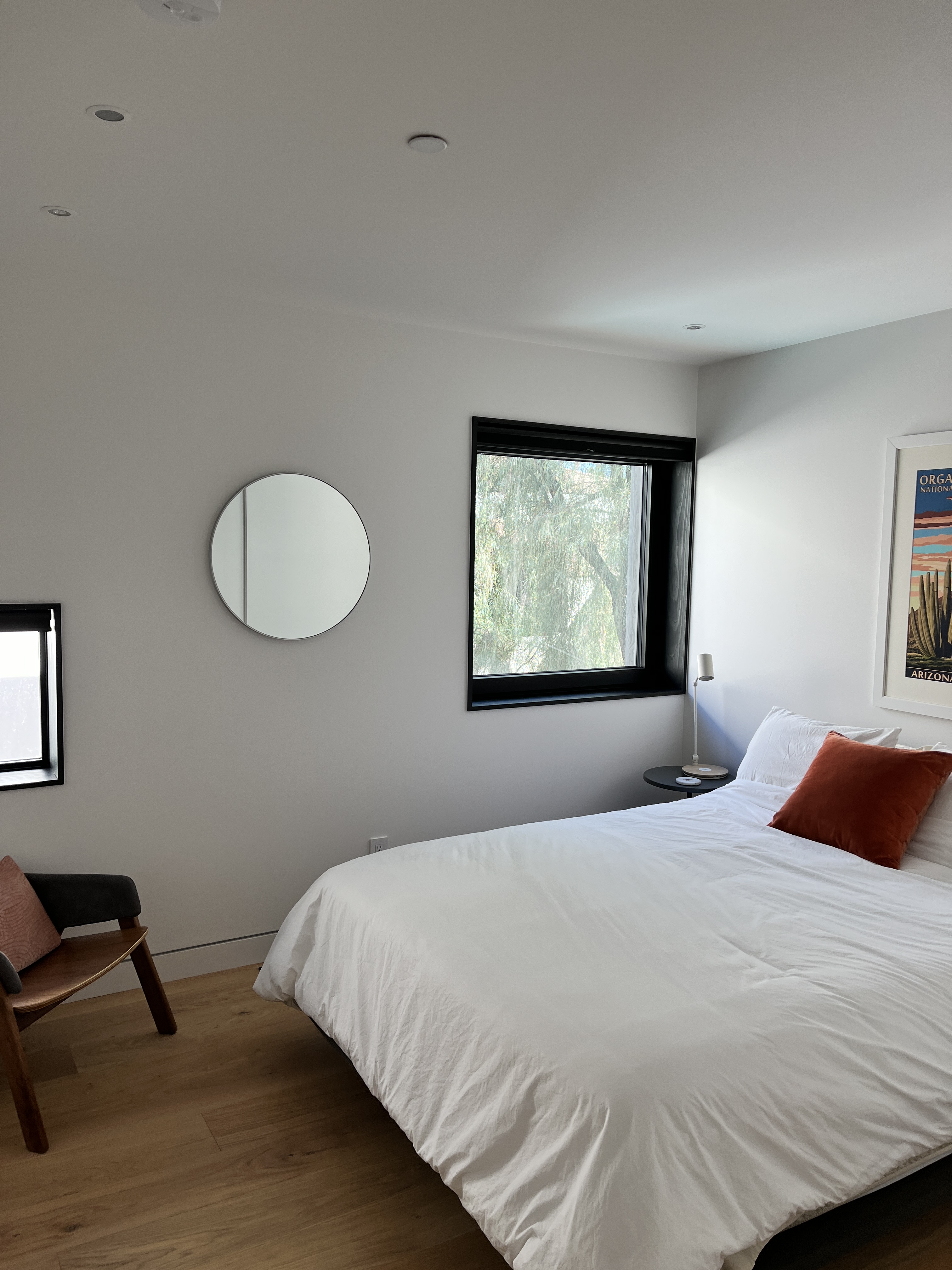
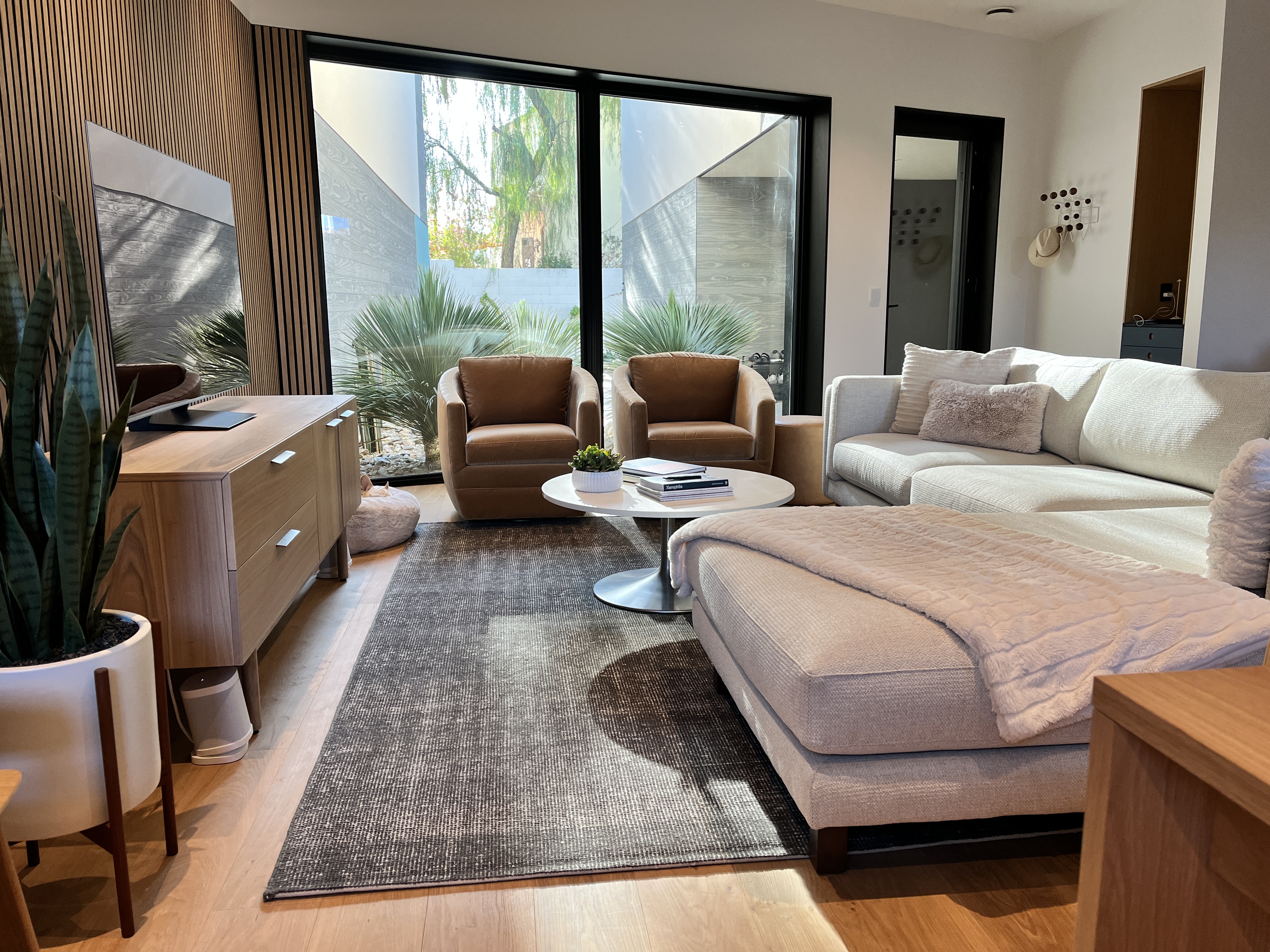
Instead, I’ve found that enjoying nature through our strategically placed windows is just as satisfying. Our home was thoughtfully designed with windows placed in interesting, unexpected places, and many that perfectly frame the outdoor courtyards filled with beautiful views of our lush plants. Even though we don’t physically open the windows often, we still feel connected to the greenery and changing light outside. Watching the sun filter through leaves or admiring the seasonal changes in our outdoor spaces brings a sense of nature into our lives without compromising the home’s performance or inviting unwanted critters inside.
Bringing Nature In: Materials and Textures
Another principle of biophilic design is the use of natural materials and textures that connect you to the outdoors. Careful building material selections have incorporated this concept beautifully in our home. Our French oak wide-plank hardwood floors feel incredible underfoot, bringing warmth and texture into every room. The handmade walnut doorknobs and stair railings are another tactile element that connects us to nature daily. Every time I touch them, I feel the craftsmanship and the natural grain of the wood—an experience that grounds me in my space.
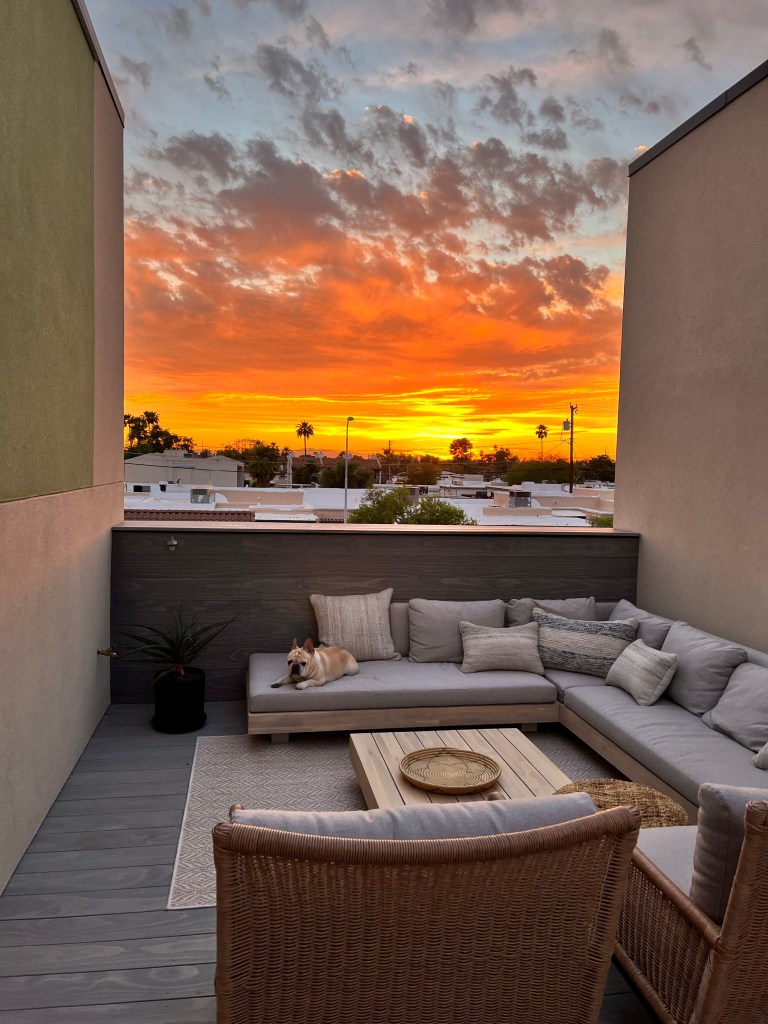
Our Richlite countertops, made from recycled paper, add another layer of natural touch and feel to our kitchen and bathrooms. The surfaces are smooth and inviting, offering a subtle connection to organic materials without the need for constant upkeep. We also enjoy our three outdoor deck spaces, which serve as extensions of our living area. Stepping outside to feel the breeze, enjoy the plants, or soak up the sun fulfills our need for nature in a way that works for our lifestyle.
Biophilic Design Is About Personal Connection
Ultimately, biophilic design is not a one-size-fits-all approach, and it doesn’t require following every principle to the letter. It’s about finding what works best for you and your home. For us, that means enjoying the natural elements that bring us joy and fit with our passive, sustainable lifestyle. It’s about feeling connected to nature through textures, materials, and thoughtfully designed spaces that enhance our daily lives—without the guilt of not including every principle “perfectly.”
Biophilic design should be about creating a space where nature makes you feel good, whatever that looks like for you. In our home, that means enjoying the beauty of nature just outside our windows, feeling the warmth of natural wood under our hands and feet, and stepping out to our decks to take in the outdoor air on our terms. And that, to me, is what great biophilic design is all about.
 Healthy Home in the Desert
Leave a comment